The Influence of Moroccan Architecture on Contemporary Design
Moroccan architecture, known for its intricate designs and vibrant colors, has had a significant influence on contemporary architectural practices. This article explores how traditional elements such as riads, mashrabiyas, and zellige tiles are integrated into modern designs, creating a unique blend of styles.
The Essence of Moroccan Architecture
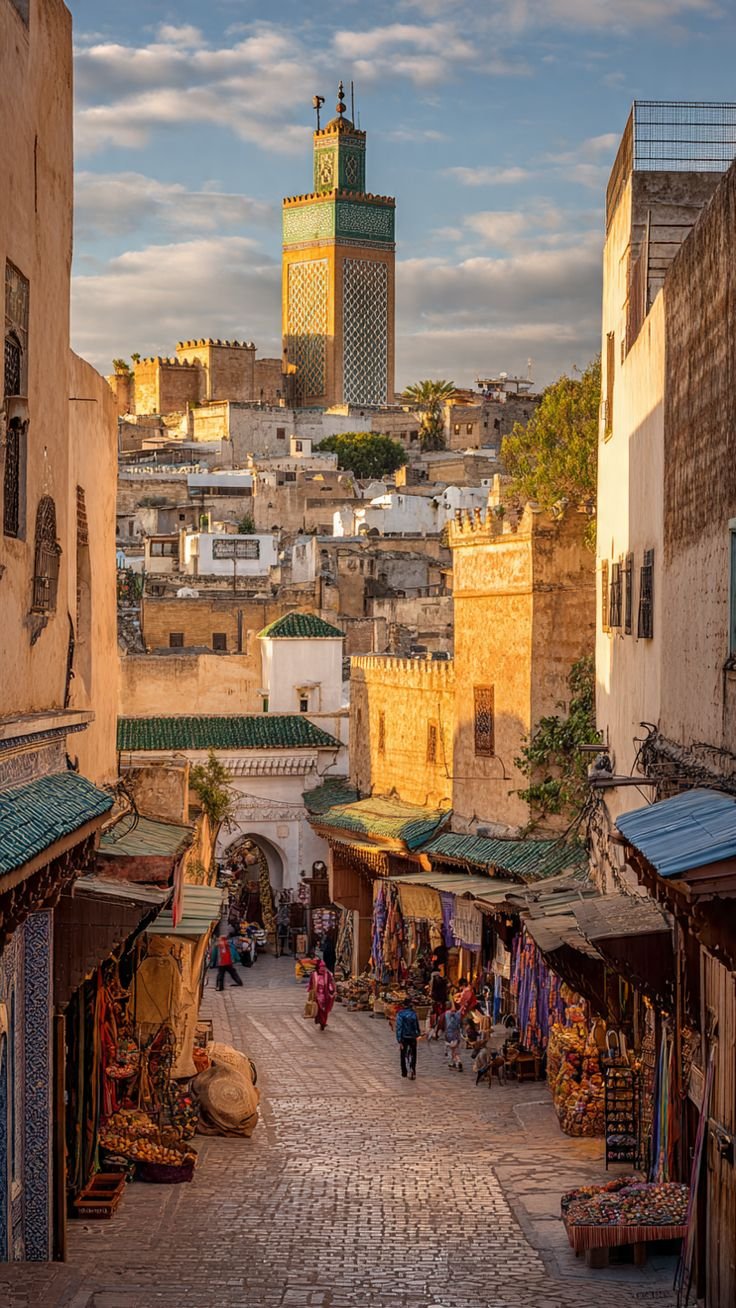
Moroccan architecture is characterized by its rich history and cultural diversity. Arab, Berber, and Andalusian influences combine to create a distinctive aesthetic. Key features include:
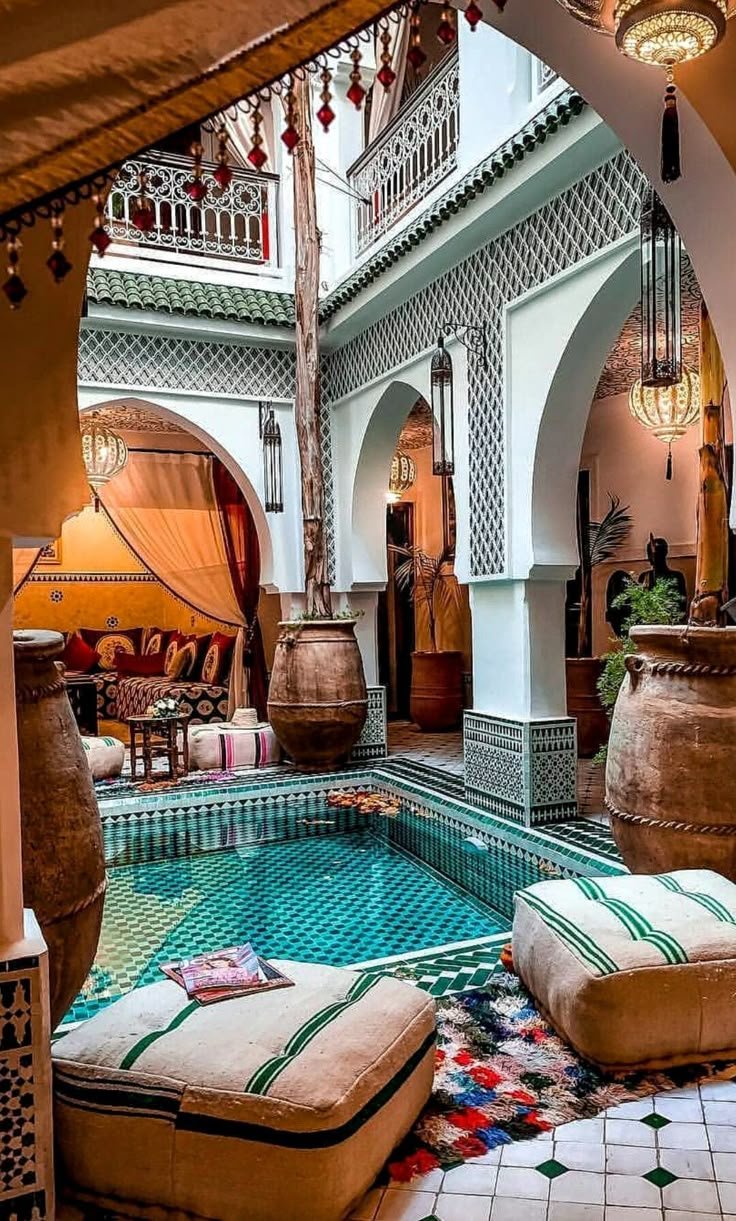
- Riad: A traditional house with an interior garden, promoting natural light and ventilation.
- Mashrabiya: A type of latticework that provides privacy while allowing air circulation.
- Zellige: Colorful mosaic tiles that add intricate patterns to walls and floors.
Blending Tradition and Modernity
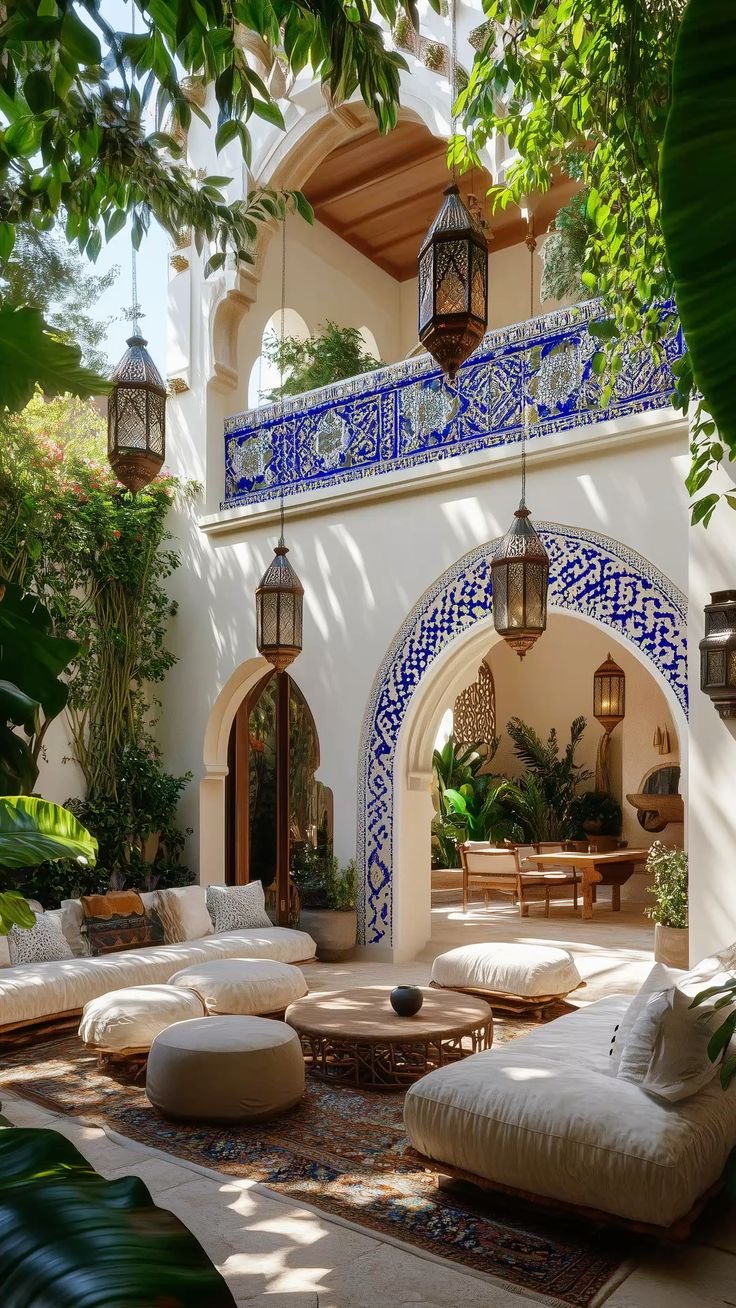
Contemporary architects are increasingly incorporating these traditional elements into their designs. Integrating riads into urban environments not only preserves cultural heritage but also enhances living spaces. For example, modern apartments with central gardens mimic the layout of riads, fostering community and tranquility.
Mashrabiyas in Modern Design
Mashrabiyas are being reinvented in various forms, serving as decorative façade elements or functional privacy screens. This blend of old and new not only respects tradition but also meets modern needs for light and privacy.
The Role of Zellige in Contemporary Interiors
Zellige tiles are experiencing a resurgence in popularity, used in everything from kitchen backsplashes to artistic wall features. Their vivid colors and patterns can transform a space, adding warmth and character while honoring Moroccan craftsmanship.
Sustainability and Environmental Harmony
One of the essential aspects of Moroccan architecture is its harmony with the environment. Modern architects are adopting sustainable practices that reflect this principle. By using local materials and promoting natural ventilation, contemporary designs become more eco-friendly, echoing traditional methods.
Conclusion
The influence of Moroccan architecture on contemporary design is deep and multifaceted. By blending traditional elements with modern aesthetics, architects create spaces that are not only beautiful but also culturally rich and sustainable. As we look to the future, this fusion of styles will continue to inspire and shape the architectural landscape.